Summary
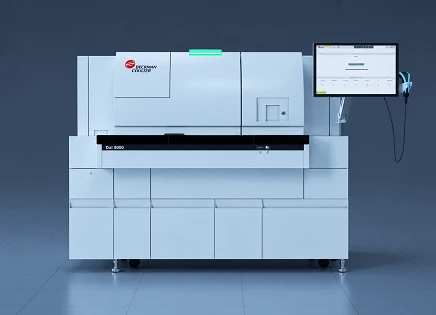
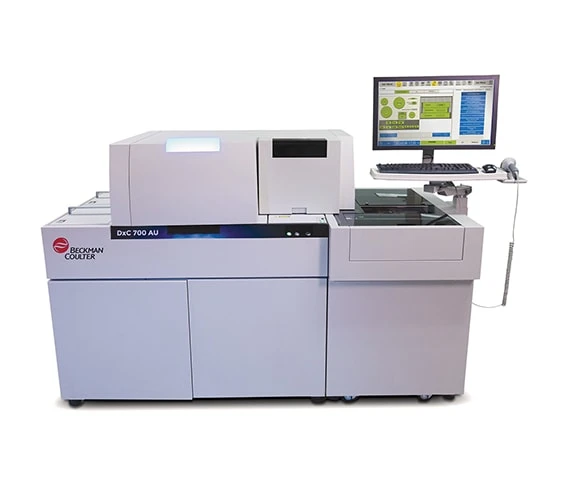
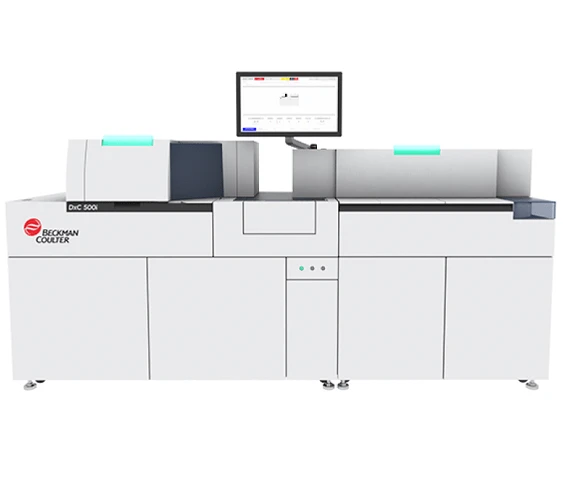
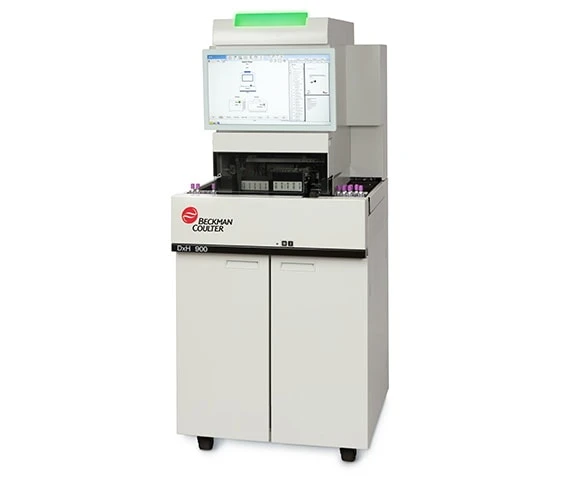
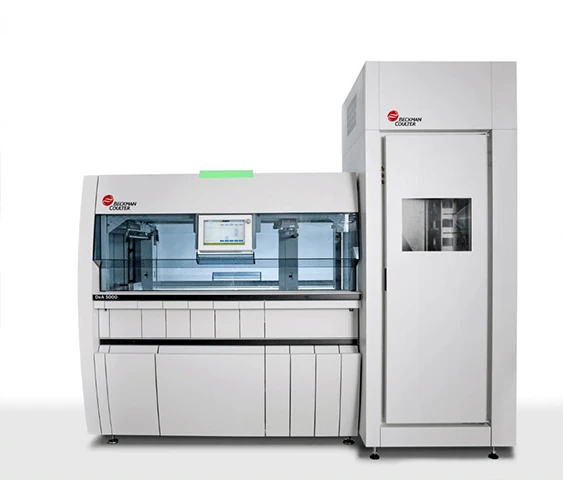
The FDA snapshot covers named analyzer configurations and associated assays. Access TSH/DxI 9000, DxC chemistry systems, DxC 500i with Access Cortisol, DxH 900, DxA 5000 configurations and selected MicroScan panels have 510(k) decisions. The original Access HBsAg PMA applies specifically to the DxI 9000 assay system and excludes donor screening. [21][27][36]
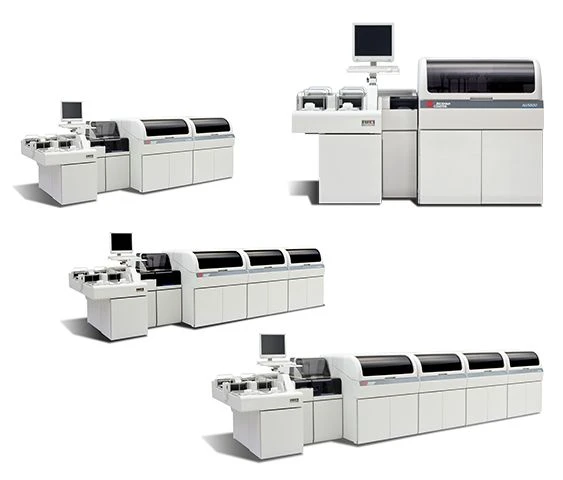
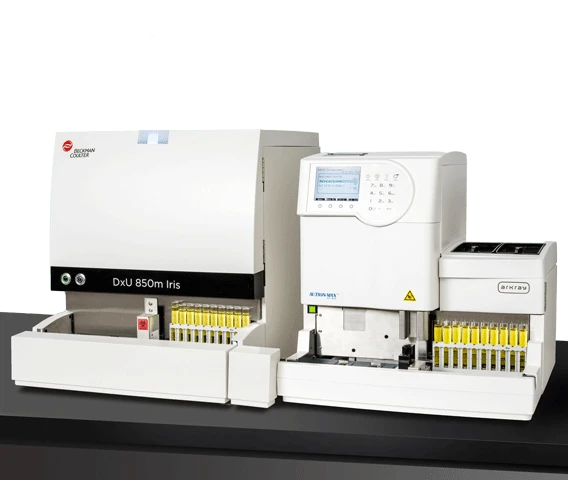
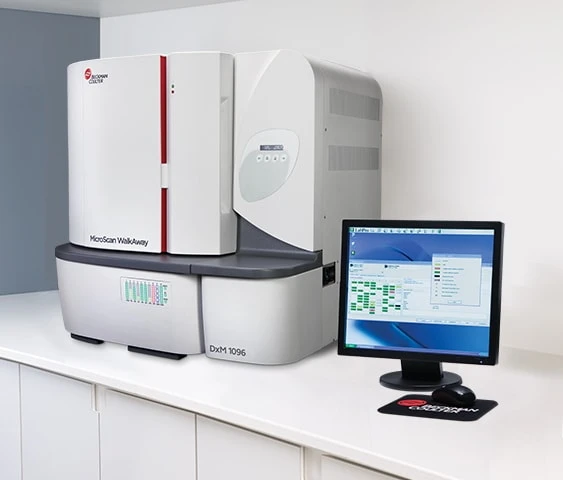
FDA recall records connect current DxU microscopy to the iQ200 regulatory lineage and current DxM MicroScan instruments to the original WalkAway clearance. Those records do not establish authorization of every later component, software release or assay. The DxU 1800 U.S. launch combines a new chemistry module with established microscopy. [38][29][31][9]
The selected-family review documents at least 40 distinct Beckman Coulter recall events initiated from January 1, 2023 through November 11, 2026, including associated assays, software and consumables. Individual FDA pages show 39 open events and one event marked Completed; Completed is retained separately from Terminated. The count follows the Beckman Coulter operating business under Danaher ownership. [39][37][38]
Material actions include specified DxH 900 configurations with HGB photometers that can report high hemoglobin results for samples with elevated white-cell counts; MicroScan LabPro panel-update algorithms that can produce false antimicrobial-susceptibility classifications; and DxU microscopy check valves requiring annual replacement to prevent fluid leakage. A DxA 5000 software action addresses routing tests to incompatible specimen-tube types. Affected versions, models and lots remain specific to each FDA action. [41][42][38][40]